

Security is no longer just about protecting physical assets—it is about protecting people, maintaining operational continuity, and creating a safe environment for employees, customers, and visitors.
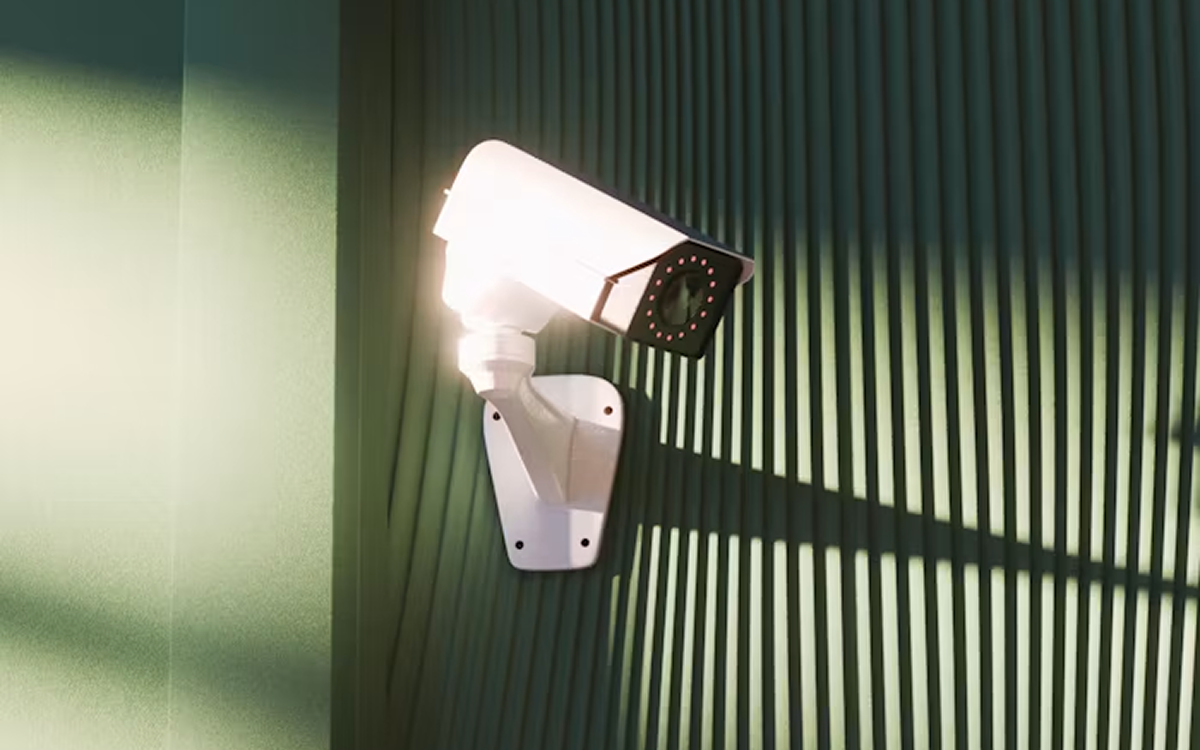
As businesses continue to face challenges such as theft, unauthorized access, workplace incidents, and security breaches, CCTV surveillance systems have become one of the most effective tools for risk management and operational oversight.
From factories and warehouses to shopping malls and corporate offices, modern surveillance technology is helping organizations improve security while gaining greater visibility into daily operations.
Why Businesses Are Investing in CCTV Surveillance
Many organizations initially install CCTV systems to prevent theft. While this remains a major benefit, modern surveillance solutions offer much more than simple security monitoring.
Today’s CCTV systems help businesses:
- Monitor critical operations in real-time
- Improve workplace safety
- Reduce security risks
- Strengthen access control measures
- Investigate incidents effectively
- Support compliance and accountability
For many industries, CCTV has become a strategic business tool rather than just a security investment.
Reducing Theft and Unauthorized Activities
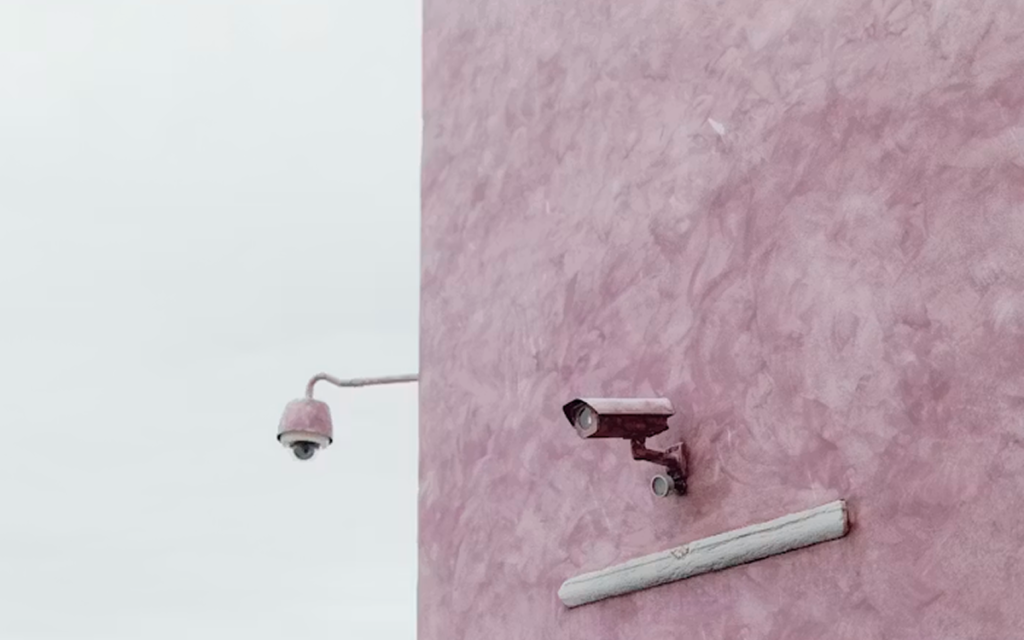
One of the most immediate benefits of CCTV surveillance is its ability to deter criminal behavior.
Visible cameras create a strong psychological deterrent against:
- Theft
- Vandalism
- Trespassing
- Unauthorized access
- Internal misconduct
Studies consistently show that facilities equipped with surveillance systems experience significantly lower rates of criminal activity compared to locations with limited security measures.
When individuals know they are being monitored, they are far less likely to engage in suspicious behavior.
Improving Workplace Safety
Employee safety is a critical responsibility for every organization.
CCTV systems help businesses:
- Monitor hazardous work areas
- Identify unsafe behavior
- Improve emergency response
- Support accident investigations
- Ensure compliance with safety procedures
In industrial environments such as factories and warehouses, surveillance systems provide management teams with valuable visibility into workplace operations, helping prevent accidents before they occur.
Strengthening Operational Control
Modern surveillance systems are increasingly used for operational monitoring and process improvement.
Business owners and managers can:
- Monitor production areas
- Track logistics activities
- Observe loading and unloading operations
- Review workflow efficiency
- Verify operational procedures
This level of visibility helps organizations identify bottlenecks, improve productivity, and maintain quality standards across their facilities.
Real-Time Monitoring and Rapid Response
Traditional security methods often rely on human observation, which can be limited by fatigue, distractions, or delayed reporting.
Modern CCTV systems provide:
- Live monitoring
- Instant alerts
- Remote access
- Centralized surveillance control
Security teams can identify potential threats as they happen and respond before situations escalate.
For businesses operating across multiple locations, centralized monitoring significantly improves oversight and coordination.
Supporting Incident Investigations
When an incident occurs, accurate information becomes essential.
CCTV footage provides:
- Reliable visual evidence
- Accurate event timelines
- Enhanced investigation capabilities
- Support for insurance claims
- Assistance during legal proceedings
High-definition surveillance footage allows organizations to review events with clarity and confidence, reducing uncertainty and improving decision-making.
Protecting High-Value Assets
Businesses invest significant resources in equipment, inventory, infrastructure, and intellectual property.
CCTV surveillance helps protect:
- Manufacturing equipment
- Warehouses and inventory
- Vehicles and machinery
- Critical infrastructure
- Restricted areas
For industries handling valuable assets or sensitive operations, surveillance systems act as an essential layer of protection.
The Power of Modern Surveillance Technology
Today’s CCTV systems offer advanced features that were once available only to large enterprises.
Modern capabilities include:
- High-definition video quality
- Night vision monitoring
- Motion detection
- Intelligent video analytics
- Remote access via mobile devices
- Cloud and hybrid storage solutions
- Centralized command and control systems
These technologies provide organizations with greater security, flexibility, and operational intelligence.
Industries That Benefit Most from CCTV Surveillance
Manufacturing Facilities
Monitor production operations, employee safety, and critical equipment.
Warehouses & Logistics Centers
Protect inventory and monitor goods movement.
Shopping Malls & Retail Stores
Reduce theft while improving customer safety.
Hospitals & Healthcare Facilities
Enhance security across sensitive areas and public spaces.
Educational Institutions
Improve campus safety and incident response capabilities.
Corporate Offices
Protect employees, visitors, and business assets.
Choosing the Right Surveillance Solution
Every facility has unique security requirements.
Factors to consider include:
- Facility size
- Risk level
- Operational requirements
- Coverage areas
- Storage requirements
- Future scalability
A properly designed surveillance system should be tailored to the organization’s specific needs rather than relying on a one-size-fits-all approach.
Conclusion
CCTV surveillance is no longer simply a security measure—it is a powerful business tool that helps organizations reduce theft, improve safety, strengthen operational control, and protect valuable assets.
As security challenges continue to evolve, investing in a modern surveillance system provides organizations with the visibility, intelligence, and protection needed to operate confidently in today’s environment.
By combining advanced technology with strategic system design, businesses can create safer, more efficient, and more resilient operations for the future.